Expert Tips for Efficient Data Cabling Installation
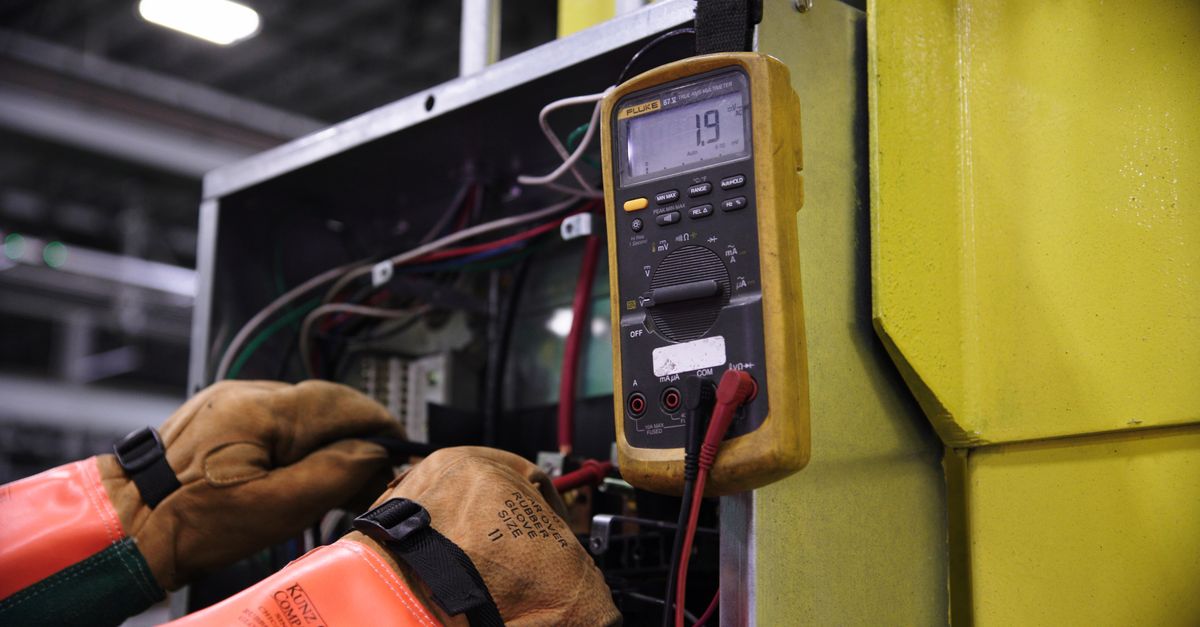
Table Of Contents
Techniques for Minimising Signal Interference
When undertaking data cabling installation, careful attention to placement can significantly enhance signal integrity. It is advisable to keep cables away from sources of electromagnetic interference, such as power lines and heavy machinery. Maintaining proper separation distances from these elements can mitigate disruptions to the signal quality. Additionally, implementing proper cable routing techniques, such as avoiding sharp bends and tight loops, can preserve the performance of the cables.
Utilising shielded cables can also play a crucial role in minimising interference. These cables are designed with a conductive layer that helps block external noise, making them particularly useful in environments with numerous electronic devices. Another effective strategy involves using twisted pair cables, which naturally reduce crosstalk between wires within the same cable. The combination of these measures augments the overall reliability of the data transmission, ensuring a stable connection for essential communications.
Effective Strategies for Reducing Noise
Proper cable management is essential for minimising noise in data cabling systems. Keeping cables neatly bundled and organised reduces the likelihood of cross-talk between adjacent wires. Additionally, using twisted-pair cables can be effective since the twisting helps cancel out electromagnetic interference. Maintaining proper separation from power lines and other potential sources of noise also contributes to a cleaner signal in data transmission.
Another important aspect is employing shielding techniques. Opt for cables with foil or braided shielding, especially in environments with high electromagnetic interference. This added layer protects the data signals from external noise. Implementing grounding solutions can further enhance protection by providing a pathway for any unwanted electrical noise to dissipate safely. Such strategies help ensure that the integrity of data transmission remains intact.
Testing and Validating Your Installation
Ensuring the integrity of a data cabling installation requires thorough testing and validation processes. Start by conducting a continuity test to confirm that the cables are properly connected end-to-end. This step detects any breakage or discontinuity that could lead to connectivity issues. Next, use a cable certifier to measure parameters like attenuation, crosstalk, and network speed. These tools provide precise readings that help determine whether the installation meets the required standards for performance.
Another essential aspect involves stress-testing the network under various conditions. Simulating peak usage scenarios enables a clearer understanding of how the cabling holds up under strain. Documenting the results from these tests creates a comprehensive record that can be invaluable for future troubleshooting. This diligence not only affirms the quality of the installation but also builds a foundation for a robust network that can cope with evolving demands.
Tools and Methods for Quality Assurance
Ensuring the integrity of an installation requires the right tools and techniques. Cable testers are essential for assessing performance and identifying issues such as attenuation, crosstalk, and length violations. Using a cable certifier provides a more in-depth analysis, offering detailed information on the cables' capabilities. These devices can verify compliance with industry standards, providing critical assurance that the installation will perform reliably under load.
Visual inspection tools, such as fibre optic inspection scopes, can enhance quality assurance by allowing technicians to examine connector end faces for dirt, damage, or defects. This step is crucial in maintaining optimal performance in fibre optic cables. Documentation software can streamline the process of recording test results and maintaining comprehensive records of installations. Regular audits and re-testing schedules will keep installations functioning correctly and assist in identifying potential problems before they escalate.
Future-Proofing Your Data Cabling
Planning for future expansion is crucial in data cabling installation. Choosing cables that support advanced technologies ensures compatibility with emerging standards. Investing in higher category cables, such as Category 6 or 6a, can accommodate faster data rates and increased bandwidth demands over time. Additionally, installing cables with greater durability helps prevent the need for frequent replacements, saving both effort and resources.
Provisions for scalability should be considered from the outset. Leaving extra conduit space or cable trays facilitates easy installation of additional cables later on. Implementing a flexible labelling system helps maintain organisation as systems evolve. This forward-thinking approach will enhance the longevity of the installation while addressing potential future requirements efficiently.
Tips for Scalability and Upgrades
Considering future growth is essential when planning your data cabling installation. It's advisable to select cabling systems that can support higher bandwidths and speeds than what is required at present. Investing in higher-quality cables can accommodate evolving technology and additional users over time. Keeping a clear layout for additional cabling pathways allows for easier integration of new equipment as requirements change.
Implementing modular design principles can also be beneficial. Using structured cabling methods allows for flexibility in the overall network architecture. This approach enables easy modifications and expansions without needing to overhaul the entire system. Keeping documentation updated will aid future installations and modifications, ensuring seamless transitions as your network evolves.
FAQS
What are some techniques for minimising signal interference in data cabling?
To minimise signal interference, consider using twisted pair cables, maintaining proper distance from electrical equipment, and employing shielded cables where necessary. Additionally, avoid sharp bends in cables and keep them away from sources of electromagnetic interference.
How can I effectively reduce noise in my data cabling installation?
Effective strategies for reducing noise include using high-quality cabling materials, ensuring proper grounding of cables, and implementing noise filtering devices. It's also beneficial to conduct regular maintenance and inspections to identify and rectify any potential noise sources.
What is the importance of testing and validating a data cabling installation?
Testing and validating a data cabling installation is crucial to ensure optimal performance and reliability. This process helps detect any issues such as signal loss, improper termination, or physical damage, ensuring that the network operates efficiently and meets required standards.
What tools and methods are recommended for quality assurance in data cabling?
Recommended tools for quality assurance include cable testers, certification testers, and time domain reflectometers (TDR). Methods such as visual inspections, continuity testing, and performance testing can also help ensure that the installation meets industry standards and performs as expected.
How can I future-proof my data cabling installation?
To future-proof your data cabling installation, consider using cables that support higher data rates, such as Category 6 or 6A cabling. Additionally, plan for scalability by installing extra conduits or pathways, and ensure that your network design allows for easy upgrades to accommodate new technology in the future.
Related Links
Common Mistakes to Avoid in Office Data Cabling ProjectsUnderstanding the Latest Data Networking Technologies for Offices