How Often Should You Schedule Electrical Safety Inspections for Your Home
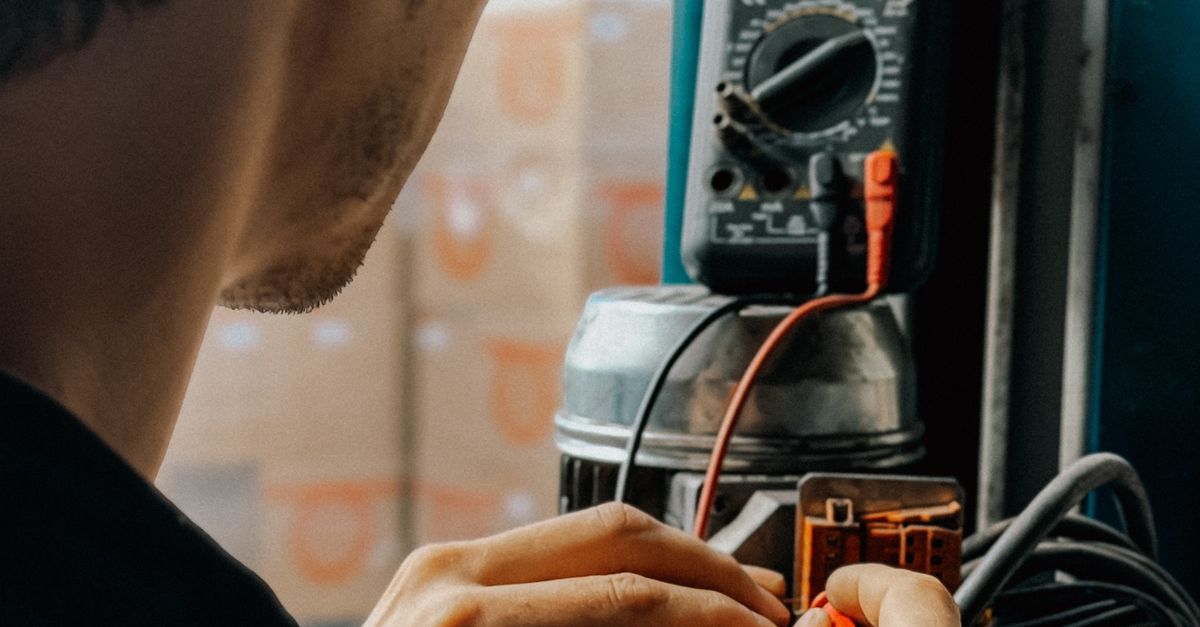
Table Of Contents
Role of Licensed Electricians
Licensed electricians play a crucial role in maintaining and enhancing the safety of electrical systems within homes. Their expertise allows them to identify potential hazards that may not be apparent to the untrained eye. These professionals undergo rigorous training and certification, ensuring they remain updated with the latest regulations and safety practices. Homeowners can rest assured knowing that a licensed electrician has the knowledge to conduct thorough inspections and recommend necessary upgrades or repairs.
In addition to inspections, licensed electricians can provide valuable advice on energy efficiency and modern technologies. They can assist in planning renovations or upgrades, ensuring that any new installations meet safety standards. Their insights can help homeowners make informed decisions about their electrical systems, ultimately leading to safer living environments. Engaging with a licensed electrician not only addresses immediate concerns but also promotes long-term safety and peace of mind.
Why Professional Inspections Matter
Licensed electricians bring expertise and experience to the assessment of your home's electrical system. Without their specialised knowledge, subtle signs of trouble can easily go unnoticed. Professional inspections delve deeper than casual observations, often uncovering hidden dangers that homeowners might overlook. These experts are trained to identify issues such as improper wiring, outdated circuit breakers, and overloading, which can pose significant safety hazards.
Engaging a licensed professional not only enhances safety, but it also assures compliance with local regulations and standards. Homeowners can benefit from the peace of mind that comes from knowing their electrical systems have been thoroughly evaluated by a qualified expert. This proactive approach helps in preventing potential disasters, which can be costly and life-threatening. Regular inspections ensure your system remains safe and efficient, allowing for timely repairs or upgrades as needed.
Common Electrical Issues Identified During Inspections
During inspections, a range of issues can be identified that pose risks to both safety and functionality. One common concern is outdated wiring systems, which may not meet current safety standards and could lead to electrical fires. Faulty circuit breakers or overloaded circuits often appear during assessments, creating significant hazards if not addressed promptly. Inspectors may also discover damaged outlets and switches that can cause shock hazards or short circuits.
Another prevalent issue involves the lack of proper grounding and bonding, which is essential for the safe operation of electrical systems. Inspectors frequently note the presence of inadequate insulation in wiring, increasing the risk of overheating and potential fire. Identifying these problems early ensures that necessary repairs can be made to prevent larger, more costly issues down the track. Homeowners benefit from professional insights, gaining a clearer understanding of their electrical system's health.
Identifying Hazards Early
Regular electrical safety inspections allow homeowners to detect potential hazards before they escalate into serious issues. Faulty wiring, outdated equipment, and overloaded circuits are common problems that can be identified during these checks. Addressing these concerns early helps reduce the risk of electrical fires and ensures the safety of occupants.
Early identification of hazards can also lead to financial savings in the long run. Many electrical issues may seem minor but can quickly evolve into costly repairs if left unattended. By scheduling inspections routinely, homeowners can maintain their electrical systems, ensuring they function efficiently and safely, while also adhering to local regulations.
Cost Considerations for Inspections
The expense associated with electrical safety inspections can vary based on multiple factors, including the size of the property, the complexity of the electrical system, and the specific services provided by the electrician. Homeowners should consider these costs within the context of their overall safety and long-term savings. Investing in regular inspections can help identify issues before they escalate, potentially saving significant expenses in repairs and damages that may arise from undetected problems.
When weighing the cost of inspections against potential risks, it becomes evident why prioritising safety is crucial. Electrical faults can lead to severe consequences, such as fires or electrical shock hazards, which might not only endanger lives but also lead to costly insurance claims and repairs. Regular inspections provide peace of mind and foster a culture of safety within the home, making the initial financial outlay a worthwhile consideration for all homeowners.
Weighing the Price Against Potential Risks
The cost of electrical safety inspections can initially seem daunting, especially for homeowners on a budget. However, when considering the potential risks associated with neglecting electrical issues, these inspections become a worthwhile investment. Problems like faulty wiring can lead to serious hazards, including electrical fires. The financial implications of repairing severe damage or facing medical costs after an accident can far exceed the cost of routine inspections.
Additionally, regular inspections allow homeowners to identify issues early. This proactive approach not only bolsters safety but also helps in planning for future repairs. By addressing concerns as they arise, homeowners can avoid more substantial expenses down the line. Weighing the cost of inspections against the potential risks highlights the importance of prioritising electrical safety in the home.
FAQS
How often should I schedule electrical safety inspections for my home?
It is generally recommended to have electrical safety inspections conducted every 3 to 5 years. However, if you have an older home or notice any issues, more frequent inspections may be necessary.
What are the benefits of hiring a licensed electrician for an inspection?
Licensed electricians have the training and expertise to identify potential hazards and ensure that all electrical systems comply with safety standards, providing peace of mind and reducing the risk of electrical accidents.
What common issues can be identified during an electrical inspection?
Common issues include outdated wiring, overloaded circuits, improper grounding, and faulty connections. Addressing these problems early can prevent more serious hazards down the line.
How can early identification of electrical hazards save me money?
By identifying and addressing electrical hazards early, you can avoid costly repairs, potential damages from electrical fires, and increased energy bills due to inefficient systems.
Are there any costs associated with electrical safety inspections?
Yes, there is typically a fee for electrical safety inspections. The cost can vary based on the size of your home and the complexity of the inspection, but it is often outweighed by the potential risks of neglecting electrical safety.
Related Links
The Impact of Electrical Safety Inspections on Home Insurance PoliciesThe Financial Benefits of Investing in Electrical Safety Inspections