How to Prepare Your Home for an Electrical Safety Inspection
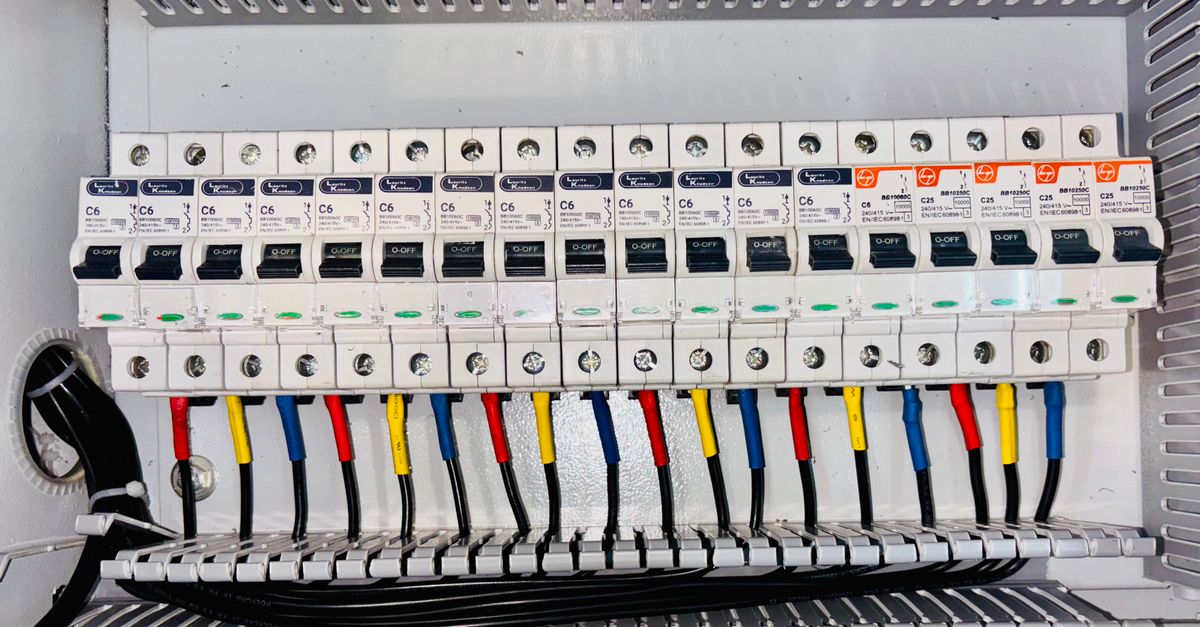
Table Of Contents
Evaluating Extension Cords and Powerboards
When evaluating extension cords and powerboards, it is essential to check for any visible damage. Look for frayed wires, exposed conductors, or bent prongs. These signs of wear may indicate that the cord or powerboard is no longer safe for use. Additionally, ensure that all cords are appropriately rated for the devices they are powering. Using extension cords inappropriately can lead to overheating, which poses a fire risk.
Proper use of extension cords and powerboards involves not overloading them with too many devices. Each powerboard will have a maximum load rating, and it is crucial not to exceed this limit. Keep cords away from high-traffic areas to prevent accidental damage and avoid running them through walls or ceilings, as this can create hidden hazards. Storing extension cords and powerboards in a dry area can also help extend their lifespan and promote safety in the home.
Safe Usage Practices
Using electrical products safely begins with understanding their limitations. Always follow the manufacturer's instructions when operating appliances. Ensure that all devices are suitable for the intended use. Avoid overloading powerboards and extension cords, as this presents a fire hazard. Check the condition of these items regularly for frays or damage that could lead to electric shocks. If any suspect cords or boards are found, it is advisable to replace them immediately.
Another important aspect is maintaining a clean and dry environment around electrical appliances. Keep all electrical outlets free from clutter and moisture, which can compromise safety. Avoid running cords through areas with heavy foot traffic, as this increases the risk of damage. When connecting devices, ensure that fingers and objects are kept clear of live sockets. A careful approach can significantly reduce potential electrical risks in your home.
Reviewing Electrical Appliances
Ensuring that your electrical appliances are in good working order is essential for safety during an inspection. Check for any signs of wear and tear, such as frayed cords or cracked casings. If an appliance produces unusual sounds or emits strange smells, it’s advisable to stop using it immediately. Maintaining a clean environment around appliances also reduces fire risks. Dust accumulation can create hazards, so regular cleaning is important.
It’s also beneficial to refer to the manufacturer’s guidelines for each appliance. These guidelines typically provide information on safe usage, maintenance recommendations, and lifespan expectations. Some appliances might require servicing or replacement after a certain period, even if they appear to function normally. Keeping receipts or records of maintenance can help you demonstrate responsible ownership, which may be beneficial during an inspection.
Ensuring Proper Maintenance and Safety
Regular maintenance is crucial for ensuring that your electrical appliances operate safely and efficiently. This includes checking for frayed cords, broken plugs, or any signs of damage. Keep appliances clean and well-ventilated to prevent overheating. Avoid overusing appliances beyond their intended capacity, as this can lead to premature wear and serious safety hazards.
Testing appliances is another important step in ensuring their reliability. Use a residual current device (RCD) to check whether your appliances are functioning correctly. If an appliance frequently trips the circuit breaker or emits unusual noises, it is time to consult an electrician. Keeping a record of appliance maintenance and any repairs can help you stay organised and better prepare for the safety inspection.
Understanding the Role of the Inspector
An electrical safety inspector is a qualified professional responsible for assessing the safety and compliance of a property’s electrical system. Their expertise lies in evaluating wiring, circuit breakers, outlets, and switchboards to ensure they meet applicable standards. They play a crucial role in identifying potential hazards that could lead to electrical fires or other dangerous situations. Homeowners can expect detailed examinations of all key components, giving peace of mind about the safety of their electrical setup.
During the evaluation, the inspector will follow a systematic approach that includes visual inspections and testing of various installations. This process might involve using specialised equipment to measure current, voltage, and insulation resistance. Any deficiencies found during the inspection will be documented in a report, outlining recommendations for improvements or repairs. Understanding these steps helps homeowners prepare for the inspector's visit and ensures they are aware of the importance of maintaining electrical safety in their homes.
What to Expect During the Evaluation
During the evaluation, the inspector will assess various aspects of your home's electrical system. They will begin by examining the main switchboard to ensure it meets current safety standards and is in good condition. The inspector will also check the proper functioning of circuit breakers and fuses, looking for any signs of wear or damage. As part of the process, they may inspect your home’s wiring, ensuring it complies with regulations and is free from hazards like fraying or exposure.
The inspection will likely include an assessment of installed appliances and fixtures as well. Inspectors will test safety switches and ensure that outlets are properly grounded. They will also observe the usage of extension cords and powerboards throughout your home. The aim is to identify potential risks and provide recommendations for safe practices and necessary improvements.
FAQS
What should I do before an electrical safety inspection?
Before an inspection, ensure that all extension cords and powerboards are evaluated for safety, review the condition of electrical appliances, and conduct basic maintenance checks. It’s also helpful to clear the area around electrical outlets and appliances for easy access.
How often should I have an electrical safety inspection?
It is recommended to have an electrical safety inspection at least every five years, or sooner if you notice any signs of electrical issues, such as flickering lights or frequent circuit breaker trips.
What will the inspector look for during the evaluation?
The inspector will check for safe usage of extension cords and powerboards, assess the condition of electrical appliances, inspect wiring, and ensure that safety devices such as circuit breakers and RCDs are functioning properly.
Are there any specific safety practices I should follow with extension cords and powerboards?
Yes, always avoid overloading powerboards, never daisy-chain extension cords, and ensure that cords are not damaged or frayed. Additionally, make sure that cords are kept out of high-traffic areas to prevent tripping hazards.
How can I ensure that my appliances are safe for use?
Regularly inspect your electrical appliances for any signs of wear and tear, such as frayed cords or unusual smells. Additionally, ensure that appliances are used according to the manufacturer's instructions and that they have been tested for safety compliance.
Related Links
Importance of Regular Electrical Safety Inspections in Adelaide HomesHow Often Should You Schedule Electrical Safety Inspections