Key Components of a Comprehensive Electrical Safety Inspection
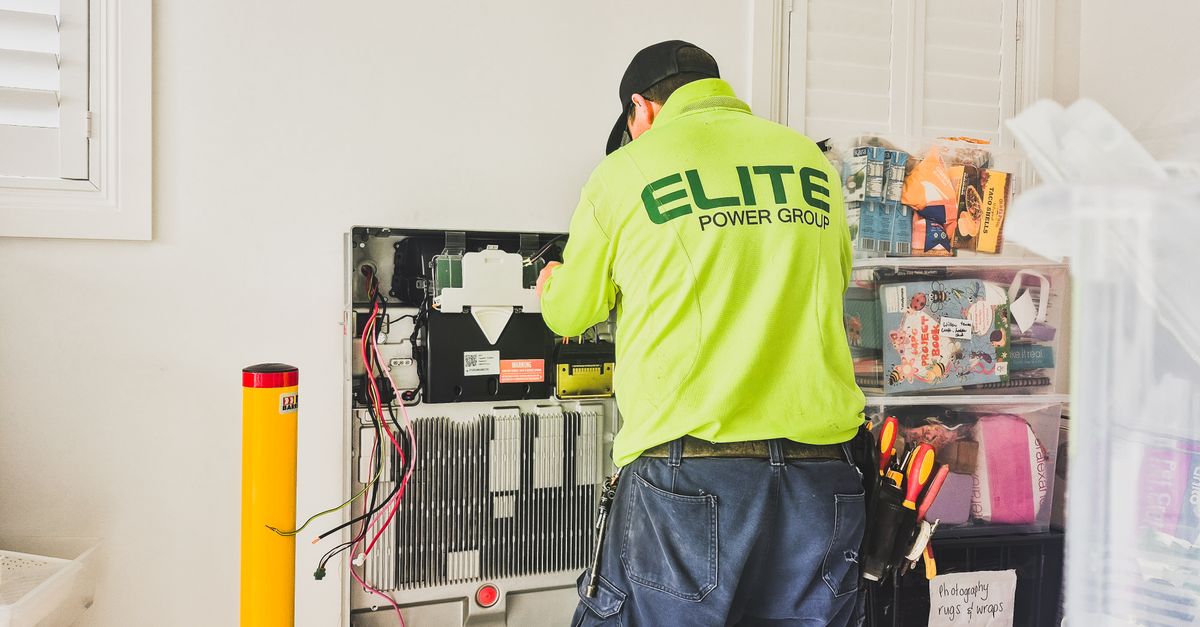
Table Of Contents
Assessing Overcurrent Protection Devices
Overcurrent protection devices play a crucial role in safeguarding electrical systems from damage caused by excessive current flow. Common types include circuit breakers and fuses, both designed to interrupt power supply when current exceeds safe levels. During inspections, the condition and functionality of these devices must be evaluated. Signs of wear, such as rust or discoloration, can indicate the need for replacement. Ensuring that these components are correctly rated for the specific circuits they protect is essential for maintaining system integrity.
Additionally, proper installation and accessibility are vital considerations during the assessment. Each overcurrent protection device should be easily reachable for manual resets or replacements, ensuring efficient operation when required. It is also necessary to verify that devices have not been tampered with or overridden, as this compromises safety. Routine checks help prevent potential electrical hazards, reinforcing the importance of maintaining up-to-date practices in electrical safety.
Understanding Circuit Breakers and Fuses
Circuit breakers and fuses serve as critical components in electrical systems, protecting against overloads and short circuits. Circuit breakers automatically interrupt the flow of electricity when they detect an overload or fault, allowing for reset and reuse after the issue is resolved. Fuses, on the other hand, are designed to melt when too much current flows, breaking the circuit and preventing damage. Understanding the function and limitations of each device is crucial for maintaining a safe electrical system.
Regular inspection of these protective devices is essential for effective electrical safety. A circuit breaker must function correctly to ensure household safety, while fuses should be checked periodically for signs of wear or damage. Both devices play a pivotal role in ensuring overcurrent protection in residential and commercial settings. Proper knowledge of their operation aids in early identification of potential electrical hazards, contributing to a more secure environment.
Inspecting Electrical Panels
Electrical panels serve as the central hub for managing electrical distribution within a property. They contain breakers or fuses that protect circuits from overloads and short circuits. A thorough inspection involves checking for signs of damage or corrosion, both of which can compromise safety and performance. Observing the condition of the panel cover and ensuring tight, secure connections is essential to prevent arcing, which can lead to fires or electrocution.
Another critical aspect of inspecting electrical panels is verifying that all breakers are correctly rated for their respective circuits. This includes ensuring that the panel's amperage rating is adequate for the building's electrical demands. Labels should be clear, indicating which circuit is associated with each breaker. Additionally, checking for any historical issues, such as tripped breakers or unusual heat generation, can reveal underlying problems that require immediate attention.
Key Features of a Safe Electrical Panel
A reliable electrical panel serves as the central hub for distributing power throughout a home or building. It should have a clear labelling system for circuits, allowing for easy identification and safety. Adequate space is vital to prevent overcrowding, which poses a fire risk. Additionally, an accessible layout eases both monitoring and maintenance, ensuring that licensed electricians can perform inspections or repairs without difficulty.
Safety features are essential in a well-functioning electrical panel. The presence of a door or cover prevents accidental contact with live parts, protecting individuals from shock hazards. Proper ventilation is necessary to dissipate heat generated during operation, reducing the risk of overheating. Furthermore, newer panels often include integrated safety mechanisms, such as surge protection devices, which safeguard the electrical system from voltage spikes and enhance overall system reliability.
Reviewing Wiring Conditions
Wiring conditions play a crucial role in ensuring the overall safety and functionality of electrical systems. A thorough inspection involves examining the insulation for signs of deterioration, as well as looking for exposed wires that may pose a risk of electric shock or short circuits. Corrosion, particularly in outdoor or damp environments, can also compromise the integrity of wiring. Identifying these issues early helps prevent potential hazards and maintains system reliability.
Additionally, the voltage rating and type of wiring used must meet current Australian standards. Inspectors need to verify that the correct gauge of wires is employed for the specific circuit loads. Overloaded circuits may lead to overheating and increase the risk of fires. Ensuring that all connections are secure contributes to system efficiency and safety, reducing the likelihood of disconnections or arcing during operation.
Recognising Wear and Tear
Regular inspection of wiring is essential in identifying signs of wear and tear that could compromise safety. Look for fraying or exposed wires. Insulation damage can lead to short circuits or electrical fires. Connections should be firmly secured; loose connections can create arcing, which contributes to heat build-up. Ensure that wiring is not subject to excessive heat, moisture, or physical stress, as these conditions can deteriorate insulation and lead to failures.
Consider the age of the wiring system as well. Older wiring may not meet current safety standards and could pose risks even if it appears to be in good condition. Check for outdated materials such as rubber or cloth insulation, which degrade over time. Inspect for any signs of corrosion, especially in areas exposed to moisture. Assessing these factors helps determine whether immediate repairs or upgrades are necessary to maintain safety and compliance.
FAQS
What are overcurrent protection devices and why are they important?
Overcurrent protection devices, such as circuit breakers and fuses, are crucial for preventing excessive current flow that can lead to electrical fires. They automatically disconnect the circuit when the current exceeds safe levels, ensuring the safety of electrical systems.
How can I identify if a circuit breaker is functioning properly?
To check if a circuit breaker is functioning properly, observe whether it trips during an overload or short circuit. Additionally, look for any signs of physical damage or overheating. If in doubt, it's best to consult a qualified electrician for a thorough assessment.
What should I look for when inspecting an electrical panel?
When inspecting an electrical panel, ensure it is free from rust, moisture, and dirt. Check that all connections are tight and secure, and look for any signs of overheating, such as discolouration or burnt wires. An emergency shut-off switch should also be accessible.
What are the key features of a safe electrical panel?
A safe electrical panel should have clear labels for all circuits, properly sized circuit breakers for the load, a secure enclosure to prevent unauthorised access, and adequate ventilation to avoid overheating. Additionally, it should meet local electrical codes and standards.
How can I identify wear and tear in electrical wiring?
Signs of wear and tear in electrical wiring include fraying or cracking insulation, exposed wires, discoloration, and physical damage caused by pests or environmental factors. If you notice any of these issues, it is essential to have a qualified electrician inspect and repair the wiring.
Related Links
Preparing Your Home for an Electrical Safety Inspection: A Homeowner's GuideCommon Electrical Hazards Discovered During Safety Inspections