The Role of Electrical Safety Audits in Preventing Workplace Hazards
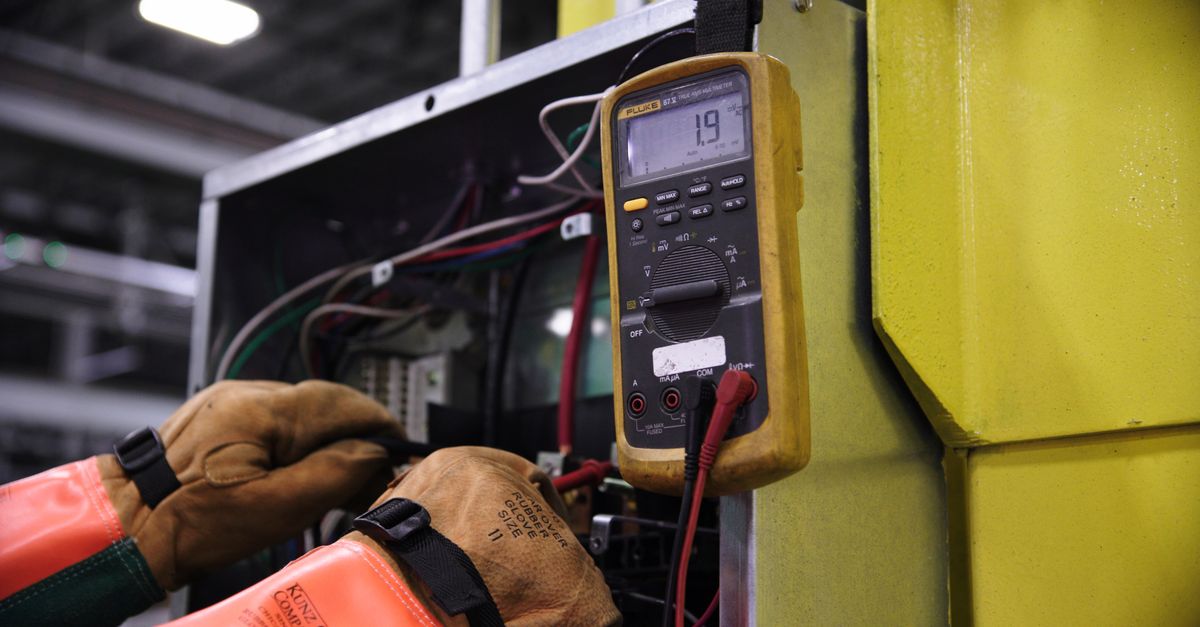
Table Of Contents
The Audit Process Explained
Conducting an electrical safety audit involves a systematic assessment of an organisation's electrical systems and practices. This process is designed to identify potential hazards and assess compliance with relevant regulations and standards. Auditors typically start by reviewing documentation such as safety policies, maintenance records, and previous audit reports. They also take note of the facility's layout and any existing electrical installations to gauge their condition and safety.
The next phase includes on-site inspections where auditors evaluate practices firsthand. This may involve checking equipment, looking for signs of wear or damage, and ensuring that safety measures such as lockout/tagout procedures are in place. Following this, auditors compile their findings into a detailed report that highlights any risks and offers recommendations for improvements. This comprehensive approach ensures that all aspects of electrical safety are scrutinised, ultimately fostering a safer working environment.
Step-by-Step Approach
The first stage in conducting an electrical safety audit involves a thorough preparation process. This includes gathering necessary documentation, such as previous audit reports, electrical schematics, and maintenance records. Understanding the layout of the workplace and identifying key electrical equipment is essential. This initial preparation sets the foundation for a comprehensive analysis during the audit.
Following preparation, the audit progresses through various assessments of electrical systems. Inspectors examine connections, switchgear, and circuit breakers for signs of wear or improper installation. Measurements of insulation resistance and earth continuity are conducted to evaluate compliance with relevant standards. Each finding is documented meticulously to ensure that issues can be addressed effectively. The entire process relies on systematic checks to ensure that every aspect of electrical safety is thoroughly evaluated.
Training and Education for Safety
Creating a culture of safety in the workplace begins with proper training and education. Regular training sessions can equip employees with the necessary knowledge about electrical hazards, safe practices, and emergency protocols. Incorporating interactive elements, such as hands-on demonstrations and real-life scenarios, enhances retention and engagement. Additionally, conducting regular refresher courses ensures that employees stay updated on the latest safety regulations and techniques.
Empowering employees through education fosters a sense of responsibility towards maintaining a safe work environment. Providing access to resources, such as safety manuals and online courses, promotes ongoing learning. Encouraging open discussions about safety concerns allows employees to feel valued and involved, leading to proactive identification of potential hazards. This commitment to education helps build a more informed workforce, ultimately contributing to a safer workplace.
Empowering Employees with Knowledge
A well-informed workforce plays a critical role in maintaining workplace safety, particularly regarding electrical hazards. Effective training programs equip employees with essential knowledge about identifying potential risks and implementing safety measures. Regular workshops and hands-on sessions foster a culture of safety awareness, allowing workers to not only recognise hazards but also to respond appropriately in emergency situations. This proactive approach contributes to overall workplace safety and promotes a shared responsibility among all staff members.
Investing time in employee education cultivates a deeper understanding of electrical safety standards and compliance requirements. Workers who are knowledgeable about safety protocols are more likely to adhere to regulations and actively participate in safety initiatives. Encouraging employees to voice concerns and share experiences creates an open dialogue regarding safety practices, reinforcing the importance of vigilance. A workforce that feels empowered through education is an invaluable asset for any organisation striving to prevent accidents and maintain a safe working environment.
Tools and Techniques for Effective Auditing
A variety of tools and techniques can significantly enhance the effectiveness of electrical safety audits. Checklists are fundamental, providing a structured approach to ensure no aspect of the audit is overlooked. These lists can cover everything from physical inspections of equipment to assessments of compliance with regulatory standards. Additionally, utilising software applications designed for managing audits can streamline the data collection process, making it easier to analyse findings and track trends over time.
Technology has revolutionised the auditing process in many ways. Mobile devices equipped with specialised apps allow auditors to capture real-time data and images directly in the field. This immediacy can lead to more accurate assessments and quicker identification of hazards. Visual inspection tools, such as infrared cameras, can detect thermal anomalies that indicate electrical issues before they escalate into serious problems. Implementing these advanced techniques not only prepares organisations to maintain compliance but also fosters a proactive safety culture.
Utilising Technology and Best Practices
Incorporating advanced technology into electrical safety audits can significantly enhance the effectiveness of the assessment process. Software solutions designed for compliance tracking can streamline audits by automating data collection and analysis. Mobile applications allow auditors to capture findings in real-time and generate reports promptly. This immediacy helps organisations address issues as soon as they arise, minimising potential risks in the workplace.
Best practices play a crucial role in ensuring comprehensive audits. Regularly updating audit checklists to reflect the latest regulations and industry standards helps maintain accuracy and relevance. Engaging with industry experts during the audit process ensures that teams are aware of emerging safety technologies and practices. These proactive measures not only improve the overall safety culture within an organisation but also support ongoing compliance with electrical safety requirements.
FAQS
What is an electrical safety audit?
An electrical safety audit is a systematic evaluation of an organisation’s electrical systems and practices to identify potential hazards, ensure compliance with safety standards, and recommend improvements for a safer workplace.
Why are electrical safety audits important?
They are crucial for preventing workplace hazards, ensuring compliance with regulations, protecting employees from electrical risks, and reducing the likelihood of accidents or injuries related to electrical systems.
How often should electrical safety audits be conducted?
The frequency of electrical safety audits can vary, but it is generally recommended to conduct them at least annually or whenever significant changes are made to electrical systems or equipment.
What training is required for employees involved in electrical safety audits?
Employees should receive training on electrical safety standards, hazard identification, risk assessment, and the proper use of auditing tools and techniques to ensure effective and safe auditing practices.
What tools and techniques are commonly used in electrical safety audits?
Common tools include multimeters, insulation resistance testers, thermal imaging cameras, and software for documentation and analysis, along with best practices such as checklists and standard operating procedures for auditing.
Related Links
Key Components of a Comprehensive Electrical Safety Audit in Commercial SettingsUnderstanding the Importance of Electrical Safety Audits for Businesses in Adelaide