Understanding the Standards for Electrical Safety Inspections
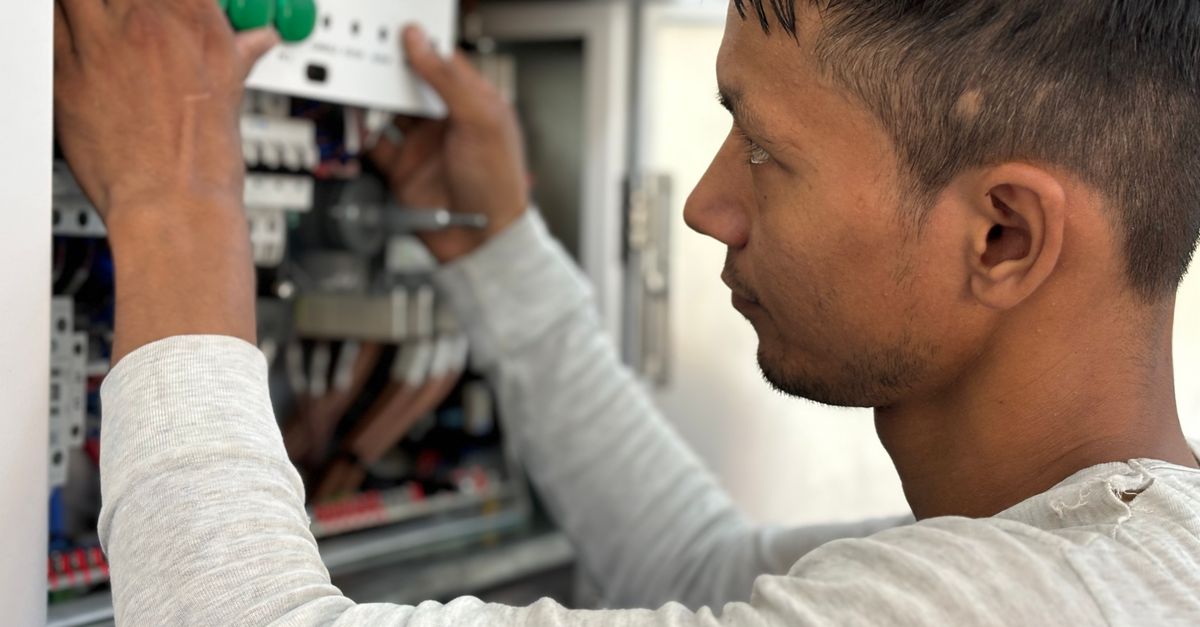
Table Of Contents
Understanding the Inspection Process
The inspection process serves as a systematic approach to ensuring the safety and functionality of electrical systems. It involves trained professionals assessing various aspects of electrical installations, checking compliance with current regulations and standards. Inspections can vary in scope, ranging from routine checks of domestic wiring to more comprehensive evaluations of commercial and industrial systems. Each inspection aims to identify potential hazards, deficiencies, and areas in need of improvement.
Documentation of the entire process plays a critical role in the overall assessment. Inspectors gather data through visual assessments, testing equipment, and verifying installations against regulatory guidelines. A thorough report detailing findings provides valuable insights for property owners, helping to inform maintenance schedules and necessary upgrades. This documentation not only promotes safety but also enhances accountability and transparency within the electrical industry.
Steps Involved in a Thorough Assessment
The initial step in a thorough electrical safety assessment involves a visual inspection of the electrical systems present within the premises. The inspector pays close attention to the condition of the wiring, connections, and insulation. Identifying visible hazards may include frayed wires, poor bonding, or corrosion. Inspectors also assess the general layout of the electrical components to ensure compliance with safety standards.
Following the visual inspection, testers utilise specialised instruments to measure various parameters. This includes checking voltage levels, continuity, and insulation resistance. Each of these measurements provides insight into the electrical system's overall health. Any anomalies detected during this phase warrant further investigation to ensure the system can operate safely and efficiently.
Evaluating Electrical Systems
A comprehensive evaluation of electrical systems is crucial to ensure safety and compliance with regulations. Inspectors focus on various elements, including wiring, circuit breakers, and connection points. Conditions such as wear, corrosion, or damage can compromise system integrity. Each component must meet established safety standards. Regular evaluations help identify potential hazards and facilitate timely repairs.
During the assessment, particular attention should be given to the load capacity and overall performance of the system. Inspectors should examine any signs of overheating or tripping circuit breakers, which may indicate underlying issues. Assessing grounding systems is also vital, as proper grounding helps prevent electrical shock and enhances system reliability. Performing these evaluations methodically ensures that all critical aspects of the electrical system are scrutinised effectively.
Key Components to Assess During Inspections
During inspections, it is vital to examine the electrical panel thoroughly. This includes checking for any signs of overheating, corrosion, or loose connections that could pose safety risks. The integrity of circuit breakers is also crucial, as they should function correctly to prevent electrical overloads. Inspectors should ensure that the panel is accessible and properly labelled to facilitate easy identification of circuits. Noting the age and condition of the panel can provide insights into potential future issues.
Wiring integrity is another essential component of an electrical safety inspection. Inspectors need to look for any fraying, deterioration, or improper installation of wires. The type of insulation used around the wiring should also be assessed. Additionally, outlets, switches, and fixtures must be evaluated for compliance with safety standards. Ensuring that they are free from damage and functioning correctly contributes to the overall safety of the electrical system in a building.
Reporting Findings and Recommendations
In the process of electrical safety inspections, it is crucial to compile a detailed report that outlines findings and recommendations. This document serves as a vital resource for property owners and stakeholders, providing insights into the current state of electrical systems. Clear, concise summaries of any deficiencies or non-compliance with safety standards should be included. Recommendations must be practical, offering solutions tailored to the specific issues identified during the assessment.
Documentation should not only highlight problems but also suggest prioritisation for repairs or upgrades. Including photographs and diagrams can be beneficial in illustrating complex issues, making it easier for property owners to understand the necessary actions. A well-structured report enhances communication between inspectors and clients, ultimately fostering a shared understanding of the safety standards that need to be upheld.
Importance of Comprehensive Documentation
Thorough documentation plays a crucial role in the electrical safety inspection process. It provides a clear record of all findings, measurements, and any anomalies encountered during the assessment. Detailed notes ensure that all aspects of the electrical system are accounted for, facilitating a better understanding of the overall condition and compliance with safety regulations. When inspectors document their evaluations accurately, they create a reliable reference that can prevent future issues and promote informed decision-making by stakeholders.
In addition, comprehensive documentation serves as an essential tool for communication with clients and regulatory bodies. Well-organised reports highlight both immediate concerns and long-term recommendations, allowing property owners to take appropriate action. By maintaining clear records, inspectors support the transparency of their work while reinforcing the importance of adhering to safety standards. This approach not only fosters trust between inspectors and clients but also enhances accountability within the industry.
FAQS
What is the purpose of electrical safety inspections?
The purpose of electrical safety inspections is to identify potential hazards, ensure compliance with safety standards, and maintain the safe functioning of electrical systems in residential, commercial, and industrial settings.
How often should I have my electrical systems inspected?
It is generally recommended to have your electrical systems inspected every three to five years, or more frequently if you notice any signs of wear, damage, or if you make significant changes to your electrical system.
What are the key components assessed during an electrical safety inspection?
Key components assessed during an electrical safety inspection include wiring integrity, circuit breakers, outlets, grounding systems, electrical panels, and any installed appliances or equipment.
What should I expect during the inspection process?
During the inspection process, a qualified electrician will conduct a thorough assessment of your electrical systems, check for compliance with safety standards, identify any issues, and provide recommendations for necessary repairs or upgrades.
Why is documentation important in electrical safety inspections?
Comprehensive documentation is important in electrical safety inspections as it provides a clear record of findings, recommendations, and compliance status, which can be crucial for future reference, legal purposes, or insurance claims.
Related Links
Identifying Hidden Electrical Hazards Through Safety InspectionsBenefits of Hiring Certified Electricians for Safety Inspections